Eden Brooks · 8 October 2026
Mapping Collaborative Markup Practices in Online Research Communities
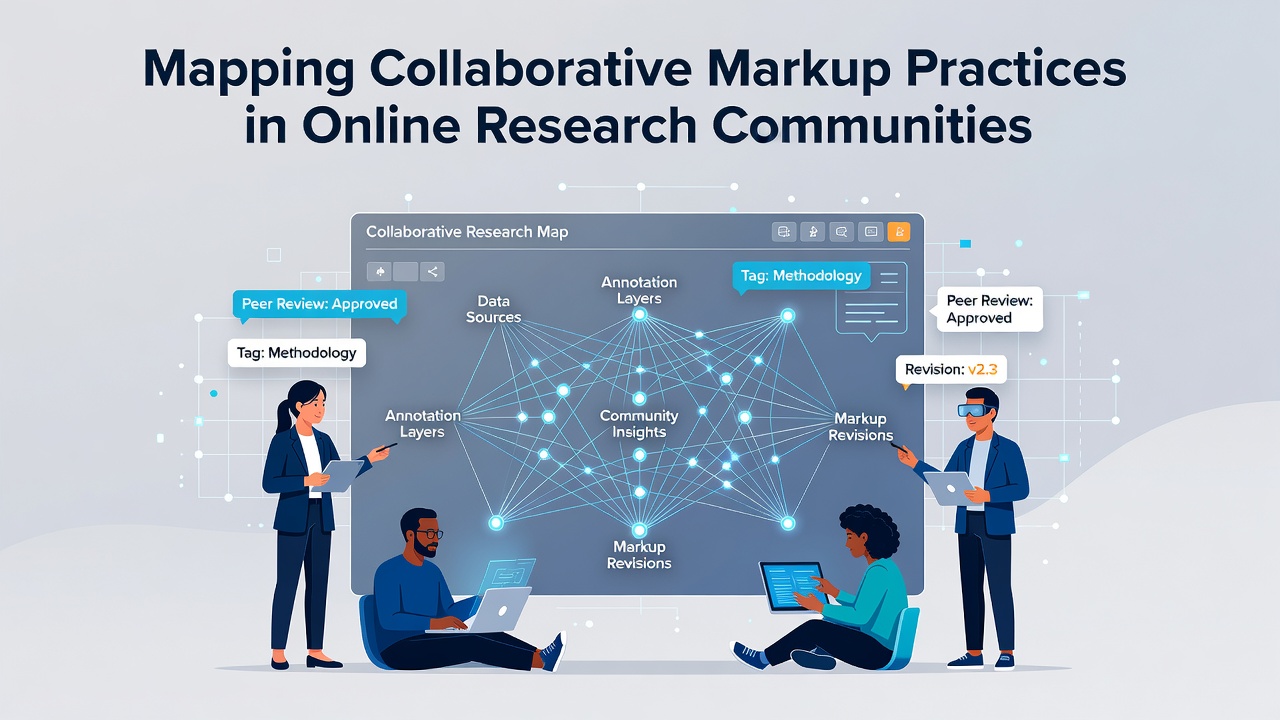
Collaborative markup practices have developed as structured methods for researchers to annotate, tag, and edit shared documents within digital environments, and these approaches rely on standardized syntax combined with community-driven protocols that allow multiple contributors to layer information without overwriting original content. Data from academic network analyses show that markup systems such as XML-based schemas and lightweight annotation tools enable consistent formatting across disciplines, while platforms integrate version tracking to maintain audit trails of every change. Researchers in fields ranging from genomics to social sciences apply these methods to link citations, highlight data discrepancies, and embed metadata that remains visible to all participants.
Core Components of Markup Systems in Research Settings
Markup languages provide the foundation through elements that define structure and semantics, and communities extend these by creating custom schemas that reflect domain-specific needs such as chemical notation or statistical variable labels. Studies from university consortia indicate that integration with version control repositories allows simultaneous edits by distributed teams, whereas centralized servers log contributions with timestamps and user identifiers to support accountability. Observers note that semantic markup adds layers of meaning through ontologies, which connect individual annotations to broader knowledge graphs and facilitate automated retrieval during literature reviews.
Platforms built around these practices often combine wiki-style editing with threaded discussion features, and this combination supports both inline revisions and separate commentary threads that reference specific markup segments. Figures from European research repositories reveal increased adoption rates in collaborative projects funded across multiple institutions, while similar patterns appear in North American laboratory networks that track experimental protocols through shared annotation layers.
Regional Adoption Patterns and Platform Examples
North American research groups frequently employ tools that merge markup with reference managers, and these systems allow teams to tag datasets with persistent identifiers that link back to original sources. In contrast, European initiatives emphasize interoperability standards that align markup practices with open-access mandates from funding bodies, which results in cross-border compatibility for annotated manuscripts. Australian academic clusters have documented workflows that incorporate markup into citizen science portals, where contributors add location-based tags to environmental observations that feed into larger mapping projects.
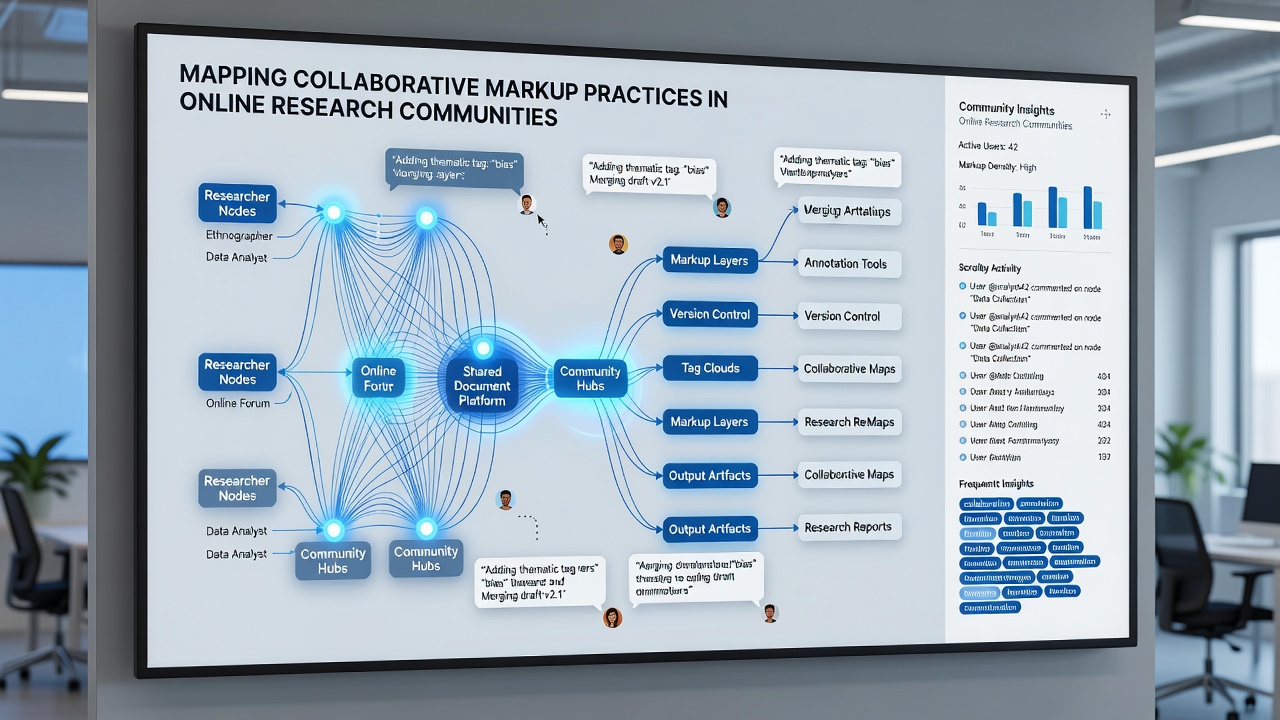
Case examples include biology teams using shared markup to flag gene expression results across multiple papers, and economics researchers layering statistical code comments onto joint datasets hosted on institutional servers. Data compiled by the Social Sciences and Humanities Research Council of Canada shows that markup-supported projects completed literature syntheses in shorter timeframes compared with traditional methods. Meanwhile, partnerships coordinated through the Australian Research Council have produced guidelines for consistent tag vocabularies that reduce ambiguity when international teams merge their annotations.
Developments Observed Through October 2026
By October 2026, several research networks reported expanded use of markup extensions that incorporate machine-readable provenance data, and these additions help trace how individual annotations evolve through successive review cycles. Community forums documented the rollout of updated schemas that support multimedia attachments, allowing video clips or interactive figures to carry embedded markup alongside textual notes. Records from global academic meetings indicate that training modules focused on markup literacy reached thousands of early-career researchers during that period, which contributed to broader standardization across disciplines.
Integration with emerging repository infrastructures has also accelerated, and automated validation scripts now check markup compliance before documents enter permanent archives. Observers have recorded that these checks reduce formatting inconsistencies that previously slowed collaborative synthesis efforts, while preserving flexibility for discipline-specific extensions. Reports compiled from multiple continents highlight continued refinement of access controls that govern who can view or edit particular annotation layers within shared projects.
Practical Outcomes Across Disciplines
Teams working in climate modeling have applied collaborative markup to align variable definitions across simulation outputs, and this alignment supports direct comparison of results generated at separate institutions. Humanities scholars use similar techniques to annotate historical texts with layered interpretations that remain distinguishable from source material, which aids subsequent analysis by new contributors. Quantitative data from project management logs show that markup-enabled groups maintain higher rates of contribution continuity when personnel changes occur, because incoming members can review annotation histories to understand prior decisions.
Software tools that facilitate these practices continue to evolve through open-source contributions, and community-maintained plugins add support for specialized markup dialects without requiring centralized approval. Research indicates that adoption correlates with project scale, as larger collaborations benefit more from the coordination functions that markup provides. Cross-referencing capabilities built into many platforms allow annotations to reference external databases, which enriches context without duplicating source material.
Conclusion
Mapping collaborative markup practices reveals a set of interconnected methods and tools that support structured knowledge building across online research communities, and these systems continue to adapt through contributions from diverse geographic and disciplinary groups. Evidence gathered up to October 2026 demonstrates steady expansion in both adoption and technical refinement, with regional organizations supplying guidelines that promote compatibility. Continued documentation of these practices provides researchers with clearer pathways for implementing markup in their own collaborative workflows.